Author: anavaladm

26
May

Διακηρύξεις προθέσεων και δύο μνημόνια ‘χαμηλής πολιτικής’ φέρνει ο Πούτιν στην Αθήνα

Διακηρύξεις προθέσεων και δύο μνημόνια ‘χαμηλής πολιτικής’ φέρνει ο Πούτιν στην Αθήνα.
ΟΙΚΟΝΟΜΙΑ
Διακηρύξεις προθέσεων και δύο μνημόνια ‘χαμηλής πολιτικής’ φέρνει ο Πούτιν στην Αθήνα

ΘΟΔΩΡΗΣ ΠΑΝΑΓΟΥΛΗΣ 26 ΜΑΙ. 2016 07:15
Article Image
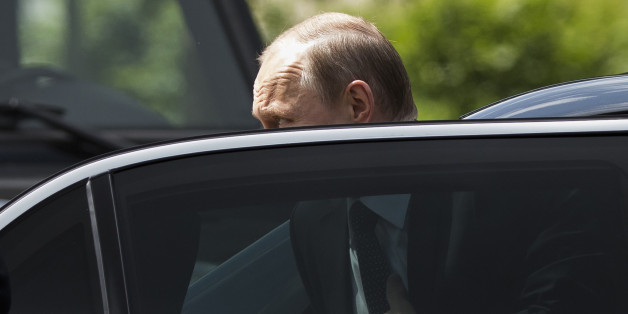
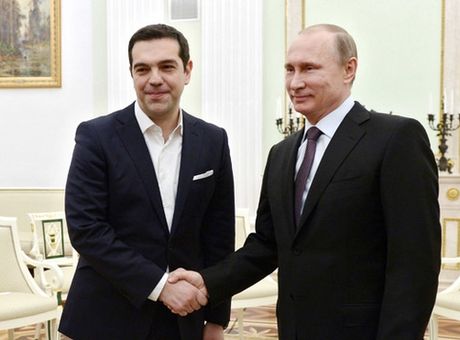
Κατά τις συναντήσεις που θα έχει ο κ. Πούτιν με τον Προκόπη Παυλόπουλο και τον πρωθυπουργό Αλέξη Τσίπρα θα συζητηθεί το θέμα του εναλλακτικού αγωγού φυσικού αερίου, μέσω Βουλγαρίας – Ελλάδας – Ιταλίας

Adtech Ad
Χωρίς υψηλές προσδοκίες, σε αντίθεση με την προ δεκαετίας επίσκεψη του Ρώσου Προέδρου επί πρωθυπουργίας Κώστα Καραμανλή, αντιμετωπίζουν αρμόδιοι κυβερνητικοί παράγοντες την έλευση του κ. Πούτιν στην Αθήνα αύριο και μεθαύριο.

Σύμφωνα με πληροφορίες θα υπογραφούν δύο μνημόνια συνεργασίας, αφενός μεν ανάμεσα στα ΕΛΠΕ και τον ρωσικό πετρελαϊκό όμιλο Rosneft και αφετέρου ανάμεσα στη διοίκηση του ΚΑΠΕ (Κέντρου Ανανεώσιμων Πηγών) και τον αντίστοιχο Ρωσικό φορέα.

Στο πλαίσιο της νέας συνεργασίας με το Ρωσικό Όμιλο, τα ΕΛΠΕ θα εφοδιάζονται αργό πετρέλαιο από τη Rosneft και θα προμηθεύουν τους Ρώσους με διυλισμένα προϊόντα, κυρίως ντίζελ, αποπληρώνοντας έτσι ένα μέρος ή το σύνολο των προμηθειών αργού. Ανάλογης μορφής είναι η συμφωνία που υπέγραψαν τα ΕΛΠΕ με την ιρανική NIOC, καθώς μέρος της παλαιάς οφειλής που είχαν τα ΕΛΠΕ προς την εταιρεία εξοφλείται με εξαγωγές καυσίμων.

Η συνεργασία του ΚΑΠΕ με τον αντίστοιχο Ρωσικό φορέα θα αφορά κυρίως την ανταλλαγή τεχνογνωσίας, τόσο στα θέματα Ανανεώσιμων Πηγών, όσο και σε θέματα εξοικονόμησης ενέργειας.

[expander_maker more=”Διαβάστε περισσότερα” less=”Διαβάστε λιγότερα”]Κατά τα λοιπά ο πήχης, σε ότι τουλάχιστον αφορά τα ενεργειακά θέματα, μπαίνει χαμηλά, για λόγους που σχετίζονται με τις προτεραιότητες, τα πλάνα και τους σχεδιασμούς τόσο της ελληνικής όσο και της ρωσικής πλευράς.

Κατά τις συναντήσεις που θα έχει ο κ. Πούτιν με τον Έλληνα πρόεδρο Προκόπη Παυλόπουλο – ο οποίος και τον προσκάλεσε στην Ελλάδα κατά τη διάρκεια της επίσκεψής του στη Μόσχα τον περασμένο Ιανουάριο- και τον πρωθυπουργό Αλέξη Τσίπρα θα συζητηθεί βεβαίως το θέμα του εναλλακτικού αγωγού φυσικού αερίου, μέσω Βουλγαρίας – Ελλάδας – Ιταλίας, που ακριβώς επειδή παρακάμπτει την Τουρκία, αντιμετωπίζεται στην Ευρώπη όχι τόσο αρνητικά όσο αντιμετωπιζόταν ο Turkish Stream προ ενός έτους.

Ωστόσο και οι δύο πλευρές γνωρίζουν ότι το σχέδιο αυτό μπορεί να προχωρήσει μόνον όταν πάρει το πράσινο φως από την Ε.Ε. Για να δοθεί το πράσινοι φως «δουλεύουν» κατά κύριο λόγο οι Ιταλοί και οι Γάλλοι ιδιοκτήτες της Edison. Συνεπώς προς ώρας αναμένεται ότι κατά την επίσκεψη Πούτιν θα επαναδιατυπωθεί, απλώς, η στήριξη των δύο κυβερνήσεων στις προσπάθειες των τριών εταιρειών που έχουν συμφωνήσει για την προώθηση του έργου (Gazprom, Edison και ΔΕΠΑ).

Αξίζει επιπλέον να αναφερθεί ότι η Μόσχα αυτή την περίοδο έχει άλλες προτεραιότητες στα ενεργειακά, πέραν του Νοτίου διαδρόμου, που ακούνε στο όνομα Nord Stream 2. Ο αγωγός που με κόστος 10 δισ. ευρώ και δυναμικότητα 55 δισεκατομμυρίων κυβικών μέτρων αερίου, έχει ως στόχο να μεταφέρει υποθαλάσσια μέσω της Βαλτικής διπλάσιες ποσότητες ρωσικού αερίου προς τη Γερμανία, έχει διχάσει την Ευρώπη.

Η παραχώρηση του λιγνιτικού κέντρου της Βεύης στους Ρώσους, όπως είχαν ζητήσει παλαιότερα, στο πλαίσιο μιας παλιάς εκκρεμότητας αντισταθμιστικών ωφελημάτων,παρότι εξετάστηκε, δεν συζητείται πλέον από την ελληνική πλευρά.

Το θέμα της σύμπραξης Ρωσικών εταιρειών με τη ΔΕΗ, με άξονα την κατασκευή λιγνιτικής μονάδας στη Μελίτη, έχει συζητηθεί κατά καιρούς, αλλά είναι πλέον σαφές ότι οι Ρώσοι δεν έχουν κάποιο πραγματικό ενδιαφέρον και απλώς συντηρούν το θέμα στο πλαίσιο του ευρύτερου «καλού κλίματος».

Για την ιστορία να αναφερθεί ότι η τελευταία φορά που βρέθηκε στην Αθήνα ο Ρώσος πρόεδρος ήταν το 2007 όταν και επισκέφθηκε τη χώρα μας στο πλαίσιο της υπογραφής της συμφωνίας για τον αγωγό πετρελαίου Μπουργκάς Αλεξανδρούπολη. Η επίσκεψη που θα πραγματοποιηθεί αύριο και μεθαύριο 27 και 28 Μαΐου, γίνεται σε ένα εντελώς διαφορετικό πλαίσιο, αποτελεί την πρώτη επίσκεψη του Ρώσου Προέδρου σε χώρα της ΕΕ για πάνω από έναν χρόνο, ενώ σύμφωνα με την επίσημη ανακοίνωση του Κρεμλίνου, στην Αθήνα θα συζητηθούν ζητήματα διμερούς οικονομικής συνεργασίας και επενδύσεων περιλαμβανομένης της υλοποίησης κοινών προγραμμάτων στον τομέα της ενέργειας.

Πηγή : link[/expander_maker]

26
May

IMF Transcript of a Conference Call on Greece

IMF Transcript of a Conference Call on Greece.IMF Senior Official
Simonetta Nardin, Head of Media Relations, IMF
IMF Official: Thank you for participating in this call. Let me say a few words of where we stand, and then I’ll take your questions.
First, let me focus on the debt. As we have said, there are two legs to this, on the policies, and on the debt, but I think by now the focus is squarely on debt, so I will talk about that, but I will be happy to take any questions you might have on policies.
On debt, I certainly think that we have made progress, Europe is making progress. Debt relief is firmly on the agenda now. Our European partners and all the other stakeholders all now recognize that Greece debt is unsustainable, is highly unsustainable, they accept that debt relief is needed. They accept the methodology that should be used to calibrate the necessary debt relief. They accept the objectives in terms of the gross financing need in the near term and in the long run. They even accept the time periods, a very long time period, over which this debt has to be met through 2060. And I think they are also beginning to accept more realism in the assumption. So I do think that with the statement, with the meetings last night, we are in the work, in the proceeding days and weeks, we clearly remain focus in the debt on the agenda, in a way it’s not been before

[expander_maker more=”Διαβάστε περισσότερα” less=”Διαβάστε λιγότερα”]On the structure of the deal, that is being worked on, on the arrangement, if you want to put it like that: We have conceded one point. In Brussels the IMF was asking that the debt relief had to be approved upfront before we go to the Board, we had already accepted that it would not be implemented upfront, we had accepted and supported that it should be contingent delivery, contingent on Greece meeting targets during the three-year program. And that it should be fully delivered by the end of the program period.
So, we have accepted that there will not be — these debt relief measures will not be necessarily all adopted upfront, but they will be implemented as we have always agreed, by the end of the program period, subject to program implementation. So where we are, by the end of the program — where we will be at the end of the program, is where we always wanted to be. Then we are at a point where we can say, in line with our standard requirements, Greece has to have a sustainable debt by the end of the program period, the necessary debt relief will have had to be delivered by the end of the program period, subject of course to Greece sticking to the program targets and market access being restored – nothing has changed there.
But you can then ask, so why are we not going just to the Board now? Because as you will see, the Europeans are going ahead and disbursing now, the IMF is not. The IMF said, it can come in at the end of the year subject to a debt sustainability analysis that suggests that the measures that are on the table, and that the Europeans promised to deliver by the end of the program period, will indeed lead to sustainability.
Some of the measures that are listed in the statement of the Euro Group are not quantified, particularly the last one, in the second bullet, both pockets of these interim measures which really contain most of the key measures that wanted to note, the very long reprofiling, as they call it, long grace period, long maturity period, and deferral of interest.
So, we would need to have quantification in a discussion that assure us that — what Europe has in mind under this will deliver the debt sustainability. Fundamentally, we need to be assured that the universe of measures that Europe –is willing to commit to is consistent with what we think is needed to produce debt relief.
We do not yet have that, and that’s why the IMF is not saying outright, you know, we will go to our Board now. It is a discussion we need to have. So the good news I think, given what I’ve seen from the Europeans, and heard from the Europeans, I think that the probabilities if you want to do that has significantly improved, and I certainly expect that we should be able to go to the Board by the end of the year, based on a positive discussion with our European colleagues on these debt relief measures.
But we are not in the situation where, as many in Europe had wanted, where the European disbursement that’s taking place now is being accompanied by an outright disbursement by the IMF. That that we are not doing because we still need to have that conversation on debt issues.
I think, as always, there were compromises and I think it was important to compromise because Greece is in a situation where it needs a disbursement, so we certainly were willing to concede on some point, but we have not conceded on the point that we need adequate assurances regarding debt relief before we go to our Board. And at this stage we do not fully have these assurances but then we have the commitments that the Europeans have made, I am hopeful that we will get there.
QUESTIONER: Thanks for doing this. A couple questions. Numerous IMF officials, including Gerry Rice, said that credibility of the Greek Program is essential not only for Greece itself, but for all of its members. By you, the IMF endorsing, putting your imprimatur on this deal, before you even commit to it, are you not undermining, once again, the IMF’s credibility? Secondly, what’s the specifically do you all need from the Europeans to make an assessment of measures on which new IMF loans depend? And finally, how can the Fund meet its fully financed and debt sustainability requirements if the debt relief, which isn’t up front and is contingent, doesn’t finally and once resolve the debt relief? It’s contingent, conditional, and not up front.
IMF Official: On the last question: we have always assured that delivery would take place during the program period subject to Greece meeting the targets. There’s nothing new there. This is where we still are and it certainly — if Greece sticks to the program it will get the debt relief that in our view is needed so that by the end of the program period we can all conclude that debt is sustainable and Greece should be able to restore market access. Now if you can say it’s contingent — if Greece doesn’t implement the program and doesn’t get the debt relief obviously the debt is not sustainable. But even if Greece gets the debt relief unconditionally up front, debt will not be sustainable by the end of the program if policies are not implemented. So in that sense everything is always contingent. So I don’t see any difference here compared to our normal debt sustainability analysis (DSA).
As far as the sort of endorsement of the IMF, the IMF endorsement is the approval of the Board. When we say that this is meant to go to our Board, that is the IMF seal of approval. In the meantime, we are doing what we have to do, what we agreed to do, and that is help all stakeholders getting to a point where the IMF can say that this meets our criteria. The process that’s going on, the discussion that’s going on. At Eurogroup yesterday we said is an important step, very important step forward. And we can support that, but if you read the statement they also say things that they are explaining why there is no outside IMF support by having some more conversation on debt. I cannot see how that in any way has undermined the credibility of the IMF; on the contrary.
QUESTIONER: A couple of questions. First of all, do you anticipate the Fund looking to provide exceptional access to Greece? The DSA suggested that that would be possible. And I mean you mentioned that you’re going to have to see some numbers from the Europeans in terms of debt relief. I mean can you characterize, you know, what you’d be looking for in any way for us? I mean, you know, the expectations were pretty aggressive in the DSA and other documents you were talking about. Debt holidays up to 2040, you were talking about loan maturity extensions to 2080. I mean is that still on the order of what you’re looking for?
IMF OFFICIAL: We have not changed our view on how the outlook for debt is looking. We have not gone back. We want to assure you that we will not want big primary surpluses. Nothing has changed in our assumption of the debt sustainability analysis. Clearly, as we go forward we will continue as we always do to review these assumptions in light of changing circumstances. I don’t see at this stage any reason to change that. So I would at this stage expect that the debt relief that would be needed quantitatively in terms of grace period and maturity date, the term of interest, et cetera, that will be in line with the debt sustainability analysis that you have seen. But we have agreed to only adopt these measures at the end of the program period based on debt sustainability analysis. I said we have agreed that the debt measures will only be finally approved at the time of the last review of the program and obviously based on the DSA at that time.
QUESTIONER: And then on exceptional access?
IMF Official: On exceptional access, the way that works is that it depends on the total outstanding debt of Greece to the IMF. If that is above a certain threshold we will be on exceptional access, which requires a stricter criterion for debt sustainability in the sense that there should be more protection against downside risks, meaning that there should be a higher probability of meeting these criteria. And since we are about any program that will be approved right now will still be under exceptional access. Given the repayments to the IMF we are set to fall below the exceptional access limit by the end of the year. However, since the policy is based on what is projected during the program period, if that means we turn around it could impact in money that takes us above the exceptional access we will still have to obey to the strict exceptional access criteria. We will go in to the Board by the end of the year. I hope this is clear. This is sort of a lot of Fund speak but I hope this is clear.
QUESTIONER: Thanks very much for holding this call. Just a couple of follow ups to the last few questions. One, what were the sticking points last night? What was it in the program or the debt relief measure that you had laid out in the DSA going into this meeting that the European side objected to and that you couldn’t get agreement on? Was there one thing or two things in particular?
And the second thing is I’m trying to get around — just in my head, what would be different in a DSA later this year? What is the point of a new DSA? Is it to look at a different set of potential debt relief measures? Is it to look at them with a different set of assumptions on growth, on primary surplus? I’m just trying to figure out how that new DSA would evolve.
IMF Official: The two questions are closely linked. On the first, I mean there were a number of issues discussed, but clearly a key one was that our European partners thought that on the basis of the commitments that they gave in the Eurogroup statement the IMF would conclude that it doesn’t have any concerns about debt sustainability and that we would be willing to go to our Board here and now. Now, we were unable to do so and as you see from the statement we are not doing so, we are only doing that by the end of the year, subject to what we have just discussed, you know, the DSA assessment of measures.
The key issue here is that the Europeans listed measures in these three buckets short-term, medium-term, long-term. The ones that really matters are the short to medium-term inside the program period. The third bucket is sort of automatic things that are not linked to policies or future developments in GDP or something like that. Focus on the first two.
And on the first two, if this is the universe of measures that Europe has in mind we need to be sure that that is a sufficient universe. And you will see from the statement that it talks about re-profiling, deferring payments, et cetera, et cetera, but has no quantification. So we need to sit down and quantify that and have a conversation with our European partners whether these measures, if quantified, are sufficient to restore debt sustainability at the end of the program period. I have accepted that they don’t need to be approved before the end of the program period, but I’m certainly not going to go to my Board before I have an understanding with the Europeans what these measures are going to be. And what this means is I need to understand if these measures are sufficient. If I cannot quantify it, we cannot quantify these measures in a way that they allow the DSA to produce a sustainable situation, then we have to look at additional measures and have a conversation with the Eurogroup on that.
You can see from this conclusion, or this explanation, we are not in a situation where the IMF can say we are ready to go ahead, but, given what we have achieved, given all that work on the European, given what they commit to, I am hopeful that we will get to that point by the end of the year, but it remains to be seen.
As far as your questions on the DSA is concerned, I have no reason to change the assumption that you saw in the DSA that was released on Monday at this stage. As I said before, if circumstances change, we will change as always, but I don’t see that, and we don’t see that. And I cannot see us facing this on a primary surplus that is above 1.5 [ percent of GDP]. I know it’s just not credible in our view. And you will see that there is nothing in the European statement anymore that says 3.5 should be used for the DSA. So there, too, Europe is moving. We need to run these measures through our existing DSA, as you see, with these assumptions and parameters, with the caveat these assumptions and parameters constantly change.
QUESTIONER: Thank you. Just to clarify, really, a couple, since you’ve answered these questions, but first of all can you be more specific on the targets which you’ve described multiple times as overly optimistic? There still seems to be a big gap between 3.5 and 1.5. Europe has indicated that they are looking at those targets again. Is that your understanding?
Also, just to make sure that I have this clear, so before the IMF will — well, before you will present a program to the Board, you will know from the Europeans what the debt relief plan is in terms — specifics on lengthening maturities, fixing interest rates, grace periods, et cetera. That will be specified, is that right?
IMF Official: Let me clarify — what we need to do now is that, based on the world as we see it right now, on the DSA as we see it right now and this is the one you saw on Monday in terms of the assumption. Based on that would the measures when they are quantified, that the Europeans put — would they be able to produce the necessary debt relief. If that is clear, we will go to the Board and we don’t need more discussion with the Eurogroup and we will, as I said, we will not require these measures to be adopted now, but I will be able to tell my Board, you know, by the end of the program period, based on the new DSA, whatever certain things evolve, I expect these measures will produce the necessary debt relief. Now that’s what’s going on. If we come to the conclusion that these measures, even when quantified do not produce the necessary debt relief, there will have to be another Eurogroup meeting to discuss what to do before we go to our Board.
QUESTIONER: Right, but you’re saying that you don’t yet have the specifics as far as exactly what the grace period, the fixed interest —
IMF Official: No. You’ve seen the Eurogroup statement. It has not been — some of these measures they’ll need to be quantified.
QUESTIONER: Okay. And on the targets?
IMF Official: Oh, you mean for the primary?
QUESTIONER: Yeah, for the primary and other things, which you’ve called overly optimistic. Are you still negotiating that down or are you still waiting for them to revise this?
IMF Official: The IMF needs to be assured that this works based on our DSA. I cannot take something to the Board that’s not based on our DSA. So I need to be assured that the European measures, based on the IMF DSA, will produce this relief. And this will be based on the IMF DSA, what I say to my Board. First I will have a conversation with the Europeans about the DSA assumption. We always have that, continuously have that as things evolve and that’s clearly understood. Now I don’t go to the Board based on others’ DSA, I got to the Board based on our own DSA developed by the IMF staff. And as I said to you, I see no reason at this stage to change the assumptions that were listed in the DSA released last Monday.
QUESTIONER: But are you getting, you know, signals from Europe that they’re willing to adjust their targets? That’s really my question. Are they coming close to what you would consider more realistic?
IMF Official: It’s clear from the Eurogroup statement that there is movement on the part of the Europeans there, right? I mean you don’t see the 3.5 mentioned as the basis for the DSA. But, you know, I don’t expect the Eurogroup statement to list all the IMF assumptions and say this — I mean this is their thinking. If they were to go back and say we’re going to have the DSA based on 3.5 from now on and onto forever, we will not be able to go to our Board. So, you know, I’m not concerned, this is a discussion we will have. It should be clear to you from this discussion that I think we have made significant progress, I think the Europeans have moved in all areas on debt, on assumption, on the possible debt relief towards what we have concluded. So I think I am right in saying that I’m hopeful that we will get there by the end of the year, but I know there is a reason why we are not going to the Board outright, namely that there is still a conversation to be had.

Source : link[/expander_maker]

25
May

Κομισιόν: «Συμπληρωμένο», όχι «συμπληρωματικό» μνημόνιο

Κομισιόν: «Συμπληρωμένο», όχι «συμπληρωματικό» μνημόνιο.Nεότερη ανακοίνωσή της ελληνικής αντιπροσωπείας της Ευρωπαϊκής Επιτροπής, στην οποία κάνει λόγο για «συμπληρωμένο» και όχι «συμπληρωματικό» μνημόνιο συμφωνίας «προς αποφυγή παρεξηγήσεων». Νωρίτερα, η Κομισιόν έκανε λόγο για «συμπληρωματικό μνημόνιο συμφωνίας» που συνιστά προϋπόθεση προκειμένου να συμπληρωθεί το πλαίσιο για την υλοποίηση του συμφωνηθέντος προγράμματος.


Πηγή:link

25
May

Θετική για το αξιόχρεο της Ελλάδας η συμφωνία στο Eurogroup, αναφέρει ο οίκος πιστοληπτικής αξιολόγησης Moody΄s

Θετική για το αξιόχρεο της Ελλάδας η συμφωνία στο Eurogroup, αναφέρει ο οίκος πιστοληπτικής αξιολόγησης Moody΄s.Θετική για το αξιόχρεο της Ελλάδας (credit positive) θεωρεί ο οίκος πιστοληπτικής αξιολόγησης Moody’s τη συμφωνία η οποία επιτεύχθηκε στο Eurogroup για την ελάφρυνση του ελληνικού χρέους, όπως αναφέρουν οι Financial Times.

Ειδικότερα, ο Moody’s σημειώνει: «Η συμφωνία μειώνει τον κίνδυνο μίας πίεσης στη ρευστότητα, ιδιαίτερα βραχυπρόθεσμα, καθώς οι πληρωμές χρεολυσίων και τόκων από την Ελλάδα από τον Μάιο έως τον Δεκέμβριο φέτος ανέρχονται σε 7,5 δισεκ. ευρώ.

»Το Eurogroup έδωσε, επίσης, έναν οδικό χάρτη για την ελάφρυνση του χρέους, που είναι θετικός για το αξιόχρεο, καθώς σηματοδοτεί μία αυξανόμενη συναίνεση μεταξύ των χωρών – μελών της Ευρωζώνης και των θεσμών, δηλαδή του ΔΝΤ και της Ευρωπαϊκής Επιτροπής, σχετικά με την ελάφρυνση του χρέους».

»Αν και η ανακοίνωση δεν αναφέρει λεπτομέρειες για τη μορφή της ελάφρυνσης του χρέους, είναι σαφές ότι ουσιαστική ελάφρυνση θα εξετασθεί μόνο μετά τη λήξη του προγράμματος το 2018 και υπό την προϋπόθεση της ικανότητας της Ελλάδας να εφαρμόσει επιτυχώς τους όρους του προγράμματος».

Πηγή : link

25
May

Ντάισελμπλουμ στο Reuters: Δεν υπάρχει τέταρτο μνημόνιο

Ντάισελμπλουμ στο Reuters: Δεν υπάρχει τέταρτο μνημόνιο.«Τα ελληνικά ΜΜΕ κάνουν λόγο για τέταρτο μνημόνιο. Δεν πρόκειται σε καμία περίπτωση για κάτι τέτοιο», τόνισε ο πρόεδρος του Eurogroup Γερούν Νταϊσελμπλουμ απαντώντας σε ερώτηση δημοσιογράφου του Reuters, στη συνέντευξη Τύπου μετά την ολοκλήρωση των εργασιών της πρώτης ημέρας του άτυπου Συμβουλίου Οικονομικών και Δημοσιονομικών Υποθέσεων της ΕΕ (Ecofin) στο Άμστερνταμ.

Ο κ. Ντάισελμπλουμ ρωτήθηκε σχετικά με δήλωση του Ευκλείδη Τσακαλώτου, ότι είναι νομικά αδύνατο για την Ελλάδα να νομοθετήσει προληπτικά μέτρα.

«Οι θεσμοί πρόκειται να εργαστούν μαζί με τις ελληνικές Αρχές ξεκινώντας από σήμερα ή αύριο για να σχεδιάσουν αυτά τα προληπτικά μέτρα. Είπα ότι χρειάζεται να είναι αξιόπιστα, εκ των προτέρων αξιόπιστα και να τεθούν σε ισχύ με ένα είδος μηχανισμού ενεργοποίησης που θα είναι αντικειμενικός», είπε και τόνισε: «Θα ήθελα να γίνω σαφής στο σημείο αυτό. Τα ελληνικά ΜΜΕ κάνουν λόγο για τέταρτο μνημόνιο. Δεν πρόκειται σε καμία περίπτωση για κάτι τέτοιο. Έχει να κάνει με το τι θα συμβεί, αν τα μέτρα που προβλέπονται στο βασικό πακέτο δεν έχουν τα αναμενόμενα αποτέλεσμα. Εδώ που βρισκόμαστε τώρα, αν δούμε τα στοιχεία της Eurostat, φαίνεται ότι η Ελλάδα είναι σε πολύ καλό δρόμο και δείχνει την απαραίτητη δέσμευση. Νομίζω ότι το υφιστάμενο πακέτο, στο οποίο έχουμε συμφωνήσει κατά 95%, είναι πολύ καλό και αυτό το προληπτικό πακέτο αποτελεί ένα είδος επιπλέον ασφάλειας. Θα πρέπει απλά να εργαστούμε για το πώς ακριβώς θα διαμορφωθεί αυτός ο μηχανισμός. Ασφαλώς, αν υπάρχουν νομικοί περιορισμοί, δεν μπορούμε και δεν θέλουμε να παραβλέψουμε τους νομικούς περιορισμούς που υπάρχουν στην Ελλάδα. Θα τον σχεδιάσουμε με τέτοιο τρόπο (τον μηχανισμό), που να λειτουργεί με αξιοπιστία, αυτοματισμό, αντικειμενικότητα και φυσικά να είναι νομικά εφικτός».

Στη συνέντευξη Τύπου μετείχαν ακόμα ο αντιπρόεδρος της Ευρωπαϊκής Επιτροπής και αρμόδιος για το ευρώ και τον κοινωνικό διάλογο Επίτροπος Βάλντις Ντομπρόβσκις, ο αντιπρόεδρος της ΕΚΤ Βίτορ Κονστάνσιο και ο πρόεδρος της Κεντρικής Τράπεζας της Ολλανδίας Κλάας Νοτ.

ΠΗΓΗ: ΑΠΕ – ΜΠΕ

25
May

Θετικό πρόσημο από τον Οίκο Fitch για την συμφωνία

Θετικό πρόσημο από τον Οίκο Fitch για την συμφωνία.Θετικό βαθμό βάζει ο Οίκος Fitch στα αποτελέσματα του Eurogroup της Τρίτης, αναγνωρίζοντας ότι με την συμφωνία απομακρύνεται ο κίνδυνος να ξεσπάσει μία νέα κρίση ρευστότητας, ενώ “βλέπει” και παροχή κινήτρων προς τη χώρα για να ολοκληρώσει την υλοποίηση του τρίτου Μνημονίου.

Παράλληλα, διατηρεί κάποιες επιφυλάξεις για την αποτελεσματικότητα που θα έχει η συμφωνία του Eurogroup σχετικά με το χρέος της Ελλάδος, σημειώνοντας: “Εξαιτίας της μικρής ελάφρυνσης του χρέους που προσφέρεται εκ των προτέρων, με τη χθεσινή συμφωνία του Eurogroup, σταδιακά μπορεί να γίνεται ολοένα και πιο δύσκολο για την κυβέρνηση να συνεχίσει να εφαρμόζει πολιτικώς αμφιλεγόμενα μέτρα τα οποία απαιτούνται προκειμένου να επιτευχθούν οι φιλόδοξοι στόχοι του προγράμματος”.

Πηγή : link

25
May

Σόιμπλε: Η Γερμανία δεν αναμένει τέταρτο πρόγραμμα στήριξης της Ελλάδας

Σόιμπλε: Η Γερμανία δεν αναμένει τέταρτο πρόγραμμα στήριξης της Ελλάδας.Όπως έχουν τα πράγματα, η Γερμανία δεν αναμένει ότι θα υπάρξει ένα τέταρτο πρόγραμμα στήριξης της Ελλάδας, δήλωσε ο Βόλφγκανγκ Σόιμπλε αφού οι χώρες της ευρωζώνης κατέληξαν στη διάρκεια της νύκτας σε συμφωνία με την οποία προτείνεται στην Αθήνα η πιο κατηγορηματική μέχρι σήμερα προσφορά για ανακούφιση του χρέους, σύμφωνα με τηλεγράφημα του Reuters .

Ο Γερμανός υπουργός Οικονομικών δήλωσε ακόμη ότι το γερμανικό κοινοβούλιο δεν χρειάζεται να εγκρίνει τη συμφωνία που επιτεύχθηκε στο Eurogroup με την Ελλάδα.

“Δεν έχουμε σημαντικές αλλαγές στο ελληνικό πρόγραμμα και επομένως δεν χρειάζεται να προηγηθεί μια ψηφοφορία στην Μπούντεσταγκ”, δήλωσε ο Σόιμπλε μιλώντας σε δημοσιογράφους στις Βρυξέλλες.

Πηγή : link

25
May

Το παρασκήνιο στο Eurogroup με το συμβιβασμό ανάμεσα στο ΔΝΤ και τους Ευρωπαίους

Το παρασκήνιο στο Eurogroup με το συμβιβασμό ανάμεσα στο ΔΝΤ και τους Ευρωπαίους.Την πλήρη κάλυψη των χρηματοδοτικών αναγκών της Ελλάδας ως το τέλος Οκτωβρίου, διασφαλίζει η δόση των 10,3 δισ. ευρώ, που αναμένεται να εκταμιευθεί μετά τη συμφωνία του Eurogroup, εκτιμούν παράγοντες της ευρωζώνης.

Πηγές της ευρωζώνης αναφερόμενες στο παρασκήνιο των χθεσινών διαπραγματεύσεων στο Eurogroup, αναφέρουν ότι ΔΝΤ και Ευρωπαίοι κατέληξαν σε έναν συμβιβασμό, παρά τις διαφορετικές θέσεις τους στην αρχή της συνεδρίασης, και παράλληλα επιβεβαιώθηκε ότι το ΔΝΤ θα συμμετέχει. «Δεν έχει να κάνει με παιχνίδι ισχύος, απλώς όλες οι πλευρές μετακινήθηκαν από τη θέση τους», δήλωσε στο Αθηναϊκό Πρακτορείο Ειδήσεων κοινοτικός αξιωματούχος, σημειώνοντας ότι το ΔΝΤ κατανοεί πλήρως ότι το πλαίσιο στο οποίο λειτουργεί η ευρωζώνη είναι αρκετά διαφορετικό από τον τρόπο που λειτουργεί το ίδιο.

Σχετικά με τα μέτρα για το χρέος, ευρωπαϊκές πηγές τονίζουν ότι «δεν υπάρχουν άμεσες αποφάσεις και αυτό δεν αποτελεί έκπληξη, καθώς δεν υπάρχουν άμεσες λήξεις». Οι ίδιες πηγές επισημαίνουν ότι σε μεσοπρόθεσμο επίπεδο, οι χώρες της ευρωζώνης δεσμεύτηκαν να εξετάσουν την περίπτωση πρόωρης εξαγοράς δανείων του ΔΝΤ, ή των διμερών δανείων με τις χώρες της ευρωζώνης, χρησιμοποιώντας τα αδιάθετα κεφάλαια (περί τα 20 δισ. ευρώ) που προορίζονταν για την ανακεφαλαιοποίηση των τραπεζών. Ωστόσο, κάτι τέτοιο θα χρειαζόταν την έγκριση ορισμένων εθνικών κοινοβουλίων.

Επίσης, στελέχη της ευρωζώνης εκτιμούν ότι οι πιθανότητες να επιστρέψει η Ελλάδα στις αγορές στο τέλος του προγράμματος, με «λογικά επιτόκια», είναι πολύ μεγαλύτερες μετά τη συμφωνία που επετεύχθη στο Eurogroup. Παράλληλα εξηγούν ότι η πρόσβαση της Ελλάδας στις αγορές μπορεί να ξεκινήσει σταδιακά, το δεύτερο εξάμηνο του 2017 και ότι στόχος είναι η πλήρης πρόσβαση της χώρας στις αγορές ως τα τέλη του 2018. Όσο πιο αξιόπιστη είναι η οικονομική πολιτική της Ελλάδας (και επιτευχθεί ο στόχος για το πρωτογενές πλεόνασμα) τόσο μικρότερα θα είναι και τα «σπρεντς», αναφέρουν. Ωστόσο παραδέχονται ότι ο δανεισμός από την ευρωζώνη είναι πάντα φθηνότερος.

Τέλος, πηγές της ευρωζώνης εκτιμούν ότι η δεύτερη αξιολόγηση θα ξεκινήσει περί τα τέλη Οκτωβρίου, επισημαίνοντας ότι αυτά που θα πρέπει να γίνουν δεν είναι τόσο δύσκολα σε σχέση με τα προαπαιτούμενα της πρώτης αξιολόγησης.


Πηγή:link

25
May

Ελληνες Αξιωματούχοι: H EΚΤ την επόμενη Πέμπτη θα αποφασίσει την επαναφορά του waiver

Ελληνες Αξιωματούχοι: H EΚΤ την επόμενη Πέμπτη θα αποφασίσει την επαναφορά του waiver

Έλληνες αξιωματούχοι είναι αισιόδοξοι ότι η EKT θα κάνει ένα μεγάλο
βήμα για την ενίσχυση του τραπεζικού συστήματος της χώρας την επόμενη
εβδομάδα, αποφασίζοντας να δεχθεί τα ελληνικά ομόλογα ως εγγύηση για
τα δάνειά της, για πρώτη φορά εδώ και πάνω από ένα χρόνο, όπως
μεταδίδουν οι FT.

Το διοικητικό συμβούλιο της ΕΚΤ που συνεδριάζει στις 2 Ιουνίου στη
Βιέννη, θα συζητήσει την επαναφορά του waiver και η Αθήνα εμφανίζεται
βέβαιη ότι η κεντρική τράπεζα θα το υποστηρίξει, αφού η ελληνική
κυβέρνηση βρίσκεται κοντά στο να κλείσει η αξιολόγηση, όπως δήλωσαν
Έλληνες αξιωματούχοι στην εφημερίδα.

Αυτό σημαίνει ότι οι ελληνικές τράπεζες θα έχουν πρόσβαση στην
φθηνότερη χρηματοδότηση της ΕΚΤ, ωστόσο η επαναφορά του waiver δεν
σημαίνει και την ένταξη των ελληνικών ομολόγων στο QE, σημειώνουν οι
FT.

25
May

Ικανοποίηση του Μοσκοβισί για τις αποφάσεις του Eurogroup

Ικανοποίηση του Μοσκοβισί για τις αποφάσεις του Eurogroup.Ικανοποίηση για τα αποτελέσματα της χθεσινής μαραθώνιας συνεδρίασης του Eurogroup επικρατεί σήμερα στις Βρυξέλλες.

Προσερχόμενος στη συνεδρίαση του ECOFIN ο επίτροπος Οικονομικών Υποθέσεων Πιερ Μοσκοβισί χαρακτήρισε τη χθεσινή λύση «θετική» και «βιώσιμη».

Πρόσθεσε επίσης ότι η δόση των 10,3 δισεκατομμυρίων ευρώ είναι σημαντική για την Ελλάδα καθώς και ότι βοηθάει στην αποπληρωμή των ληξιπρόθεσμων οφειλών του Δημοσίου.

Πηγή: ΑΜΠΕ

Comodo SSL