


Στα 657, 70 ευρώ ορίζεται ο κατώτατος μισθός των διανομέων φαγητού από τα 586,08 ευρώ μικτά που είναι ο κατώτατος της εθνικής Σύμβασης Εργασίας, σύμφωνα με τη νέα διαιτητική απόφαση που εξέδωσε ο Οργανισμός Μεσολάβησης και Διαιτησίας (ΟΜΕΔ) μόλις πριν από μία εβδομάδα.
Συγκεκριμένα εκδόθηκε η υπ’ αριθ. ΠΕΝΤ.3/2018 Διαιτητική Απόφαση για τους όρους αμοιβής και εργασίας των εργαζομένων στις οργανωμένες αλυσίδες εστίασης (ταχυφαγεία) με περίοδο ισχύος από 29.03.2017 έως 29.03.2018. Η Πενταμελής Επιτροπή Διαιτησίας απέρριψε όλους τους λόγους έφεσης που προέβαλε η εργοδοτική οργάνωση και επικύρωσε το περιεχόμενο της Διαιτητικής Απόφασης 5/2018.
Επίσης, στις 16 Σεπτεμβρίου ο ΟΜΕΔ εξέδωσε και δεύτερη απόφαση που αφορά τους όρους αμοιβής και εργασίας των εργαζομένων στα μη κύρια τουριστικά καταλύματα (ενοικιαζόμενα δωμάτια και διαμερίσματα) όλης της χώρας με την οποία καθορίζονται ως βασικοί μισθοί τα 751 ευρώ για τις εξής κατηγορίες εργαζομένων που αμείβονται ως μισθωτοί και καλύπτονται από την σύμβαση: ρεσεψιονίστ, μάγειροι, σερβιτόροι, λαντζέρηδες και καθαρίστριες κοινόχρηστων χώρων.
Με τις διατάξεις της δεύτερης διαιτητικής απόφασης ρυθμίζονται οι όροι αμοιβής και εργασίας των εργαζομένων σε ενοικιαζόμενα δωμάτια και διαμερίσματα που λειτουργούν σε όλη τη χώρα, δηλαδή, σε όλα τα «μη κύρια τουριστικά καταλύματα», όπως αυτά αναφέρονται στην σχετική απόφαση. Και οι δύο διαιτητικές αποφάσεις προβλέπουν εκτός από το επίδομα 10% για τους έγγαμους και μία σειρά ακόμη επιδόματα που αφορούν σε κάθε μία από τις ειδικότητες των εργαζομένων που καλύπτονται από τις αντίστοιχες συμβάσεις.
Οι δύο αποφάσεις του ΟΜΕΔ έχουν ήδη αναρτηθεί στην ιστοσελίδα του υπουργείου Εργασίας κοινωνικής ασφάλισης και αλληλεγγύης.
Πηγή: naftemporiki.gr

Την υπογραφή της προκαταρκτικής συμφωνία για την απόκτηση μετοχών του Ομίλου Stoiximan ανακοίνωσε η κατά 100% θυγατρική της, OPAP Investment Ltd.
Σύμφωνα με την επίσημη ανακοίνωση, η OPAP Investment Ltd έχει προσυμφωνήσει να αποκτήσει μερίδιο 36,75% στη μητρική εταιρεία του Ομίλου Stoiximan, TCB Holdings Ltd («TCB»), έναντι τιμήματος 50 εκατ. ευρώ, κατόπιν ρυθμιστικών εγκρίσεων της αγοράς τυχερών παιγνίων. Η TCB παρέχει, μέσω των κατά 100% θυγατρικών της, υπηρεσίες τυχερών παιγνίων μέσω διαδικτύου στην Ελλάδα και την Κύπρο, υπό το εμπορικό σήμα Stoiximan, και στη Ρουμανία και τη Γερμανία, υπό το εμπορικό σήμα Betano. Το 2017, ο Όμιλος Stoiximan κατέγραψε έσοδα 136 εκατ. ευρώ και κέρδη προ τόκων, φόρων και αποσβέσεων (EBITDA) περίπου 16 εκατ. ευρώ.
Ο ΟΠΑΠ έχει επίσης προσυμφωνήσει με την TCB να κάνει μια επιπλέον επένδυση, ώστε να αποκτήσει τον από κοινού, με την TCB, έλεγχο των δραστηριοτήτων του Ομίλου Stoiximan στην Ελλάδα και την Κύπρο. Η επένδυση αυτή τελεί υπό την πλήρωση διάφορων προηγούμενων όρων, συμπεριλαμβανομένης της έγκρισης των αρμόδιων αρχών ανταγωνισμού και ρύθμισης της αγοράς τυχερών παιγνίων, και της διεξαγωγής έρευνας δέουσας επιμέλειας (due diligence). Με την ολοκλήρωση της έρευνας δέουσας επιμέλειας, θα αποκρυσταλλωθούν οι όροι της επένδυσης οπότε και οι πλήρεις λεπτομέρειες θα δημοσιοποιηθούν.
Ο Όμιλος Stoiximan, με την ίδια διοικητική ομάδα, θα συνεχίσει να λειτουργεί ανεξάρτητα από τις διαδικτυακές δραστηριότητες του ΟΠΑΠ.
Οι επενδύσεις αυτές ευθυγραμμίζονται με μία από τις βασικές στρατηγικές προτεραιότητες του ΟΠΑΠ, την Αξιοποίηση των πλέον Σύγχρονων Ψηφιακών και Τεχνολογικών Δυνατοτήτων. Έπειτα από την ολοκλήρωση, το περασμένο καλοκαίρι, του μεγάλης κλίμακας προγράμματος για τον τεχνολογικό μετασχηματισμό του δικτύου του, ο ΟΠΑΠ εστιάζει στην ανάπτυξη των διαδικτυακών του δραστηριοτήτων και τις επόμενες ημέρες θα διαθέσει στην αγορά το Pamestoixima.gr, τη νέα πλατφόρμα αθλητικού στοιχηματισμού μέσω διαδικτυακών καναλιών και φορητών συσκευών.
Ο Ντάμιαν Κόουπ, Διευθύνων Σύμβουλος του ΟΠΑΠ σχολίασε: «Φιλοδοξώντας να καθιερώσουμε τον ΟΠΑΠ ως εταιρεία ψυχαγωγίας και τυχερών παιγνίων παγκόσμιου επιπέδου, γνωρίζουμε ότι πρέπει να προσφέρουμε στους πελάτες μας μία ελκυστική και ανταγωνιστική παικτική εμπειρία στο διαδίκτυο. Η επικείμενη λειτουργία της νέας μας διαδικτυακής πλατφόρμας αθλητικού στοιχηματισμού Pamestoixima.gr είναι το πρώτο βήμα σε αυτή την κατεύθυνση. Επίσης, μέσα στους επόμενους 12 μήνες, πρόθεσή μας είναι να προστεθούν επιπλέον προϊόντα στο κανάλι του διαδικτύου. Η νέα πλατφόρμα θα προσφέρει ανταγωνιστικές αποδόσεις στους πελάτες μας στην Ελλάδα και θα δημιουργήσει πρόσθετα έσοδα από προμήθειες για τους πράκτορες του δικτύου μας.
Η στρατηγική επένδυση στην Stoiximan που ανακοινώνουμε σήμερα, είναι ευθέως συμπληρωματική στις διαδικτυακές δραστηριότητες του ΟΠΑΠ και μας προσφέρει διαδικτυακή παρουσία σε διεθνές επίπεδο. Η Stoiximan έχει αναδειχθεί σε επιτυχημένο διαδικτυακό πάροχο και είμαστε χαρούμενοι που θα συνεργαστούμε. Για αυτό, είμαστε αισιόδοξοι για το επόμενο στάδιο εκσυγχρονισμού και ανάπτυξης του ΟΠΑΠ, καθώς οδεύουμε προς την επίτευξη του συνολικού μας Οράματος για το 2020».
Ο Γιώργος Δασκαλάκης, Διευθύνων Σύμβουλος της Stoiximan δήλωσε «η στρατηγική επένδυση του ΟΠΑΠ στη Stoiximan, τη μεγαλύτερη εταιρεία διαδικτυακού στοιχηματισμού στην Ελλάδα, αποτελεί μια έμπρακτη αναγνώριση της σκληρής δουλειάς των 450 εργαζομένων μας και του επιτυχημένου μοντέλου ανάπτυξης της εταιρείας μας. Ταυτόχρονα καταδεικνύει τη δυναμική της, καθώς εισερχόμαστε στην περίοδο οριστικής ρύθμισης της αγοράς διαδικτυακών παιγνίων στη χώρα μας.
Η σύμπραξη αυτή ενισχύει την ηγετική θέση της Stoiximan στην Ελλάδα και παράλληλα μας επιτρέπει να επιταχύνουμε το πλάνο ανάπτυξής μας σε αγορές του εξωτερικού, καθώς και να εντείνουμε το βασικό μας προσανατολισμό για ανάπτυξη στον τομέα της τεχνολογίας. Όραμά μας είναι να καθιερωθούμε ανάμεσα στις κορυφαίες GameTech εταιρείες της Ευρώπης, διατηρώντας τον ελληνικό χαρακτήρα μας και προς αυτή την κατεύθυνση θα συνεχίσουμε να εργαζόμαστε καθημερινά με το ίδιο πάθος και την ίδια προσήλωση».
Η επένδυση του ΟΠΑΠ στις ψηφιακές και τεχνολογικές δυνατότητες συνεχίζεται και επεκτείνεται στη διαδικτυακή αγορά. Η νέα διαδικτυακή στοιχηματική πλατφόρμα Pamestoixima.gr σύμφωνα με πληροφορίες από τον ΟΠΑΠ, θα διατεθεί στην αγορά εντός των επόμενων ημερών, θα προσφέρει ανταγωνιστικές αποδόσεις στους πελάτες του ΟΠΑΠ. Επίσης άμεσα οφέλη για το δίκτυο των πρακτόρων από τη δραστηριότητα των πελατών της πλατφόρμας Pamestoixima.gr
Επένδυση στο Δίκτυο
Τα τελευταία δύο χρόνια, η εταιρεία εστίασε στο σημαντικό έργο του μετασχηματισμού και εκσυγχρονισμού του δικτύου των πρακτορείων ΟΠΑΠ, υλοποιώντας τεχνολογικές επενδύσεις ύψους σχεδόν 100 εκατ.. Πρόκειται, όπως τονίζεται από τον ΟΠΑΠ, για ένα από τα μεγαλύτερα προγράμματα τεχνολογικού μετασχηματισμού που έχουν πραγματοποιηθεί ποτέ στην Ευρώπη, με την εγκατάσταση περισσότερων από 50.000 νέων διαφορετικών συσκευών. Το έργο αυτό θέτει γερά θεμέλια για τη βελτίωση της εμπειρίας των πελατών και για μελλοντικά οφέλη για τους πράκτορές της. Η μετάβαση στις βασικές τεχνολογικές πλατφόρμες ολοκληρώθηκε και είναι σε εξέλιξη περαιτέρω βελτίωση και εκσυγχρονισμός. Μάλιστα, στις επόμενες εβδομάδες, η εταιρεία θα παρουσιάσει δύο νέα προϊόντα για το δίκτυο των καταστημάτων της – το KINO Sidebets και το Virtuals Match-day.
Ο ΟΠΑΠ στο Διαδίκτυο
Στο πλαίσιο των μακροπρόθεσμων στόχων του, ο ΟΠΑΠ επενδύει επίσης στις δραστηριότητες στο διαδίκτυο. Η αγορά αυτή προσφέρει σημαντικές ευκαιρίες και ο ΟΠΑΠ στοχεύει να αξιοποιήσει τις προοπτικές που παρουσιάζονται. Πρόθεση του ΟΠΑΠ είναι να διαθέσει διαδικτυακά πολλά από τα προϊόντα που παρέχονται σήμερα στους πελάτες του μέσω των πρακτορείων. Η αρχή γίνεται με τον αθλητικό στοιχηματισμό και στη συνέχεια, θα ακολουθήσουν άλλα παιχνίδια, όπως ΤΖΟΚΕΡ, KINO και Virtuals.
Μέσα στις επόμενες ημέρες, ο ΟΠΑΠ θα παρουσιάσει το νέο Pamestoixima.gr, που θα είναι διαθέσιμο τόσο μέσω ιστοτόπου (από ηλεκτρονικό υπολογιστή), όσο και φορητών συσκευών (π.χ. κινητό τηλέφωνο). Η νέα πλατφόρμα του Pamestoixima.gr θα προσφέρει ιδιαίτερα βελτιωμένες και ανταγωνιστικές αποδόσεις, καθώς και αναβαθμισμένη παικτική εμπειρία. Ταυτόχρονα, το Pamestoixima.gr θα στηρίξει περαιτέρω τους πράκτορες, δίνοντας τους πρόσβαση στους πελάτες που χρησιμοποιούν το κανάλι του διαδικτύου. Όπως έχει συμφωνηθεί, δημιουργούνται επιπλέον οφέλη για αυτούς, καθώς από τις δραστηριότητες των παικτών που θα έχουν εγγραφεί στο Pamestoixima.gr μέσω των καταστημάτων τους, θα λαμβάνουν το ίδιο ποσοστό προμήθειας επί των καθαρών εσόδων (NGR) όπως εφαρμόζεται για τον στοιχηματισμό στο πρακτορείο.
Ο ΟΠΑΠ εστιάζει στην ανάπτυξη και την προώθηση των διαδικτυακών δραστηριοτήτων του και στην παρούσα φάση ενισχύει ακόμη περισσότερο την ομάδα ΟΠΑΠ Online.
Στρατηγική επένδυση στο Stoiximan Group
Ο Όμιλος ΟΠΑΠ ανακοίνωσε επίσης σήμερα, όπως προαναφέρθηκε, μια νέα στρατηγική επένδυση. Συγκεκριμένα, η θυγατρική του ομίλου ΟΠΑΠ Investment Ltd κατέληξε σε προσυμφωνία για την απόκτηση μεριδίου 36,75% στην TCB Holdings Ltd, μητρική εταιρεία του Stoiximan Group, κατόπιν ρυθμιστικών εγκρίσεων της αγοράς τυχερών παιγνίων. Επιπλέον, ο ΟΠΑΠ έχει προσυμφωνήσει να αποκτήσει επίσης τον έλεγχο, από κοινού με την TCB Holdings, των δραστηριοτήτων του Stoiximan Group στην Ελλάδα και την Κύπρο. Η επένδυση αυτή τελεί υπό την πλήρωση διάφορων προηγούμενων όρων, συμπεριλαμβανομένης της έγκρισης των αρμόδιων αρχών ανταγωνισμού και ρύθμισης της αγοράς τυχερών παιγνίων, και της διεξαγωγής έρευνας δέουσας επιμέλειας (due diligence).
Σε επίπεδο ομίλου, η επένδυση δίνει επίσης στον ΟΠΑΠ παρουσία σε αρκετές ταχέως αναπτυσσόμενες διεθνείς αγορές. Μέσω των θυγατρικών της, η TCB Holdings παρέχει υπηρεσίες τυχερών παιγνίων μέσω διαδικτύου στην Ελλάδα και την Κύπρο, υπό το εμπορικό σήμα Stoiximan, καθώς και στη Ρουμανία και τη Γερμανία, υπό το εμπορικό σήμα Betano.
Το Stoiximan Group, με την ίδια διοικητική ομάδα, θα συνεχίσει να λειτουργεί ανεξάρτητα από τις διαδικτυακές δραστηριότητες του ΟΠΑΠ.
Υλοποιώντας το Όραμα 2020
Στο πλαίσιο της φιλοδοξίας να καταστεί ο ΟΠΑΠ εταιρεία ψυχαγωγίας και τυχερών παιγνίων παγκόσμιου επιπέδου, η εταιρεία διαθέτει ξεκάθαρο πλάνο και στόχους σχετικά με την παρουσία της στη διαδικτυακή αγορά, εστιάζοντας στη δημιουργία αξίας για τους μετόχους, τους συνεργάτες και τους εταίρους της. Οδεύοντας προς την υλοποίηση του Οράματος 2020, η εταιρεία όπως τονίζουν επιτελικά της στελέχη, συνεχίζει να συνεργάζεται με τους πράκτορές της, ώστε να διαμορφωθεί ένα ακόμη πιο δυναμικό μέλλον, που θα προσφέρει αμοιβαία οφέλη και συναρπαστικές προοπτικές για όλους.
Πηγή: tanea.gr

Σε πλήρη κατάργηση των capital controls στο τέλος του έτους με αρχές του επόμενου σχεδιάζουν να προχωρήσουν το υπουργείο Οικονομικών και η Τράπεζα της Ελλάδος, σύμφωνα με πληροφορίες. Το πρώτο βήμα θα γίνει τις αμέσως επόμενες ημέρες με την άρση των περιορισμών στον λεγόμενο δεύτερο πυλώνα, που αφορά την ανάληψη μετρητών στο εσωτερικό. Οπως επισημαίνεται από αρμόδιες τραπεζικές πηγές, το υφιστάμενο όριο ανάληψης των 5.000 ευρώ τον μήνα, που ισχύει σήμερα, ουσιαστικά δεν έχει νόημα, αφού για τους περισσότερους καταθέτες ξεπερνά κατά πολύ τις σχετικές ανάγκες τους. Στο εξής οι αναλήψεις θα είναι ελεύθερες. Παράλληλα, σύμφωνα με πληροφορίες, θα υπάρξει και περαιτέρω χαλάρωση στα ποσά που μπορεί να μεταφέρουν στο εξωτερικό οι ταξιδιώτες, αλλά και οι εταιρείες για εξυπηρέτηση των συναλλαγών τους.
Από εκεί και πέρα, αναφέρουν οι πηγές, αν όλα πάνε καλά και δεν υπάρχουν απρόσμενες αναταράξεις, για πολιτικούς ή άλλους λόγους, το σχέδιο προβλέπει πλήρη κατάργηση των ελέγχων στο τέλος του έτους με αρχές του επόμενου.
Σημειώνεται ότι ο υπουργός Οικονομικών Ευκλείδης Τσακαλώτος, σε πρόσφατη συνέντευξή του στην «Ναυτεμπορική», προανήγγειλε τη χαλάρωση στον δεύτερο πυλώνα και σημείωσε ότι στη συνέχεια θα είμαστε στην τελική φάση για την άρση των περιορισμών και στη μεταφορά κεφαλαίων στο εξωτερικό. Οι πληροφορίες τοποθετούν αυτό το βήμα στο τέλος του 2018 με αρχές του 2019, υπό την προϋπόθεση της ομαλότητας.
Οπως εξηγούν, άλλωστε, οι πηγές, η πιθανότητα αναταραχής δεν θα σηματοδοτούσε απλώς καθυστέρηση στο τελικό στάδιο απελευθέρωσης, αλλά ενδεχομένως και ανάγκη επαναφοράς αυστηρότερων ελέγχων, αφού αυτή τη στιγμή υφίσταται ήδη μεγάλος βαθμός ελευθερίας. Για παράδειγμα, αναφέρεται ότι όσοι επέστρεψαν κεφάλαια από το εξωτερικό έχουν τη δυνατότητα να τα επανεξαγάγουν. Εννοείται ότι μια τέτοια αρνητική εξέλιξη, που θα οδηγούσε σε ολική επαναφορά των capital controls, θα ήταν καταστροφική για την οικονομία.
Κατά την εκτίμηση των τραπεζικών πηγών, οικονομικοί κίνδυνοι δεν διαφαίνονται αυτή τη στιγμή. Δεν μπορούν, ωστόσο, να αποκλεισθούν πολιτικοί κίνδυνοι, ιδίως σε περίπτωση μιας παρατεταμένης εκλογικής περιπέτειας, με αλλεπάλληλες αναμετρήσεις.
Σε κάθε περίπτωση, το επόμενο βήμα, που αναμένεται πολύ σύντομα, εκτιμάται ότι θα στείλει και ένα σήμα εμπιστοσύνης στις τράπεζες, των οποίων οι μετοχές έχουν σφυροκοπήθει το τελευταίο διάστημα. Οι τραπεζικές πηγές υποστηρίζουν ότι τα προβλήματα των τραπεζών συνδέονται με τις δυσκολίες πρόσβασης του ελληνικού Δημοσίου στις αγορές και γενικότερα με την αποχή των επενδυτών από την Ελλάδα.
Σε ό,τι αφορά τον μεγάλο όγκο των κόκκινων δανείων τους, οι ίδιες πηγές επισημαίνουν ότι ο νέος στόχος που θα τεθεί από τον SSM θα είναι φιλόδοξος και θα προβλέπει τον περιορισμό τους κάτω από το 20% το 2021. Μάλιστα, οι πηγές σημειώνουν ότι ήδη από το 2019 θα περιοριστούν στο 32%. Σημειώνεται ότι αυτή τη στιγμή ο δείκτης στην Ελλάδα είναι 47,7%, ενώ στην Ευρωζώνη κοντά στο 4%.
Πηγή: kathimerini.gr

Οι 100 μεγαλύτερες εισηγμένες κατασκευαστικές εταιρείες στον κόσμο κατέγραψαν έσοδα που προσέγγισαν το 1,1 τρισ. ευρώ εντός του 2017, αύξηση 6 ποσοστιαίων μονάδων σε σύγκριση με το προηγούμενο έτος, σύμφωνα με τη νέα ετήσια έκθεση της Deloitte “Global Powers of Construction (GPoC)“. Η έκθεση της Deloitte, αναλύει τον παγκόσμιο κατασκευαστικό κλάδο και εξετάζει τις στρατηγικές και τις επιδόσεις των κορυφαίων κατασκευαστικών εταιρειών παγκοσμίως το 2017.
Πιο συγκεκριμένα, οι κινεζικές εταιρείες κυριαρχούν στην κατάταξη των κορυφαίων 100 εταιρειών, όσον αφορά τα έσοδα, ενώ και άλλες ασιατικές επιχειρήσεις, κυρίως από την Ιαπωνία και τη Νότια Κορέα, μαζί με εταιρείες από τις ΗΠΑ, το Ηνωμένο Βασίλειο, τη Γαλλία και την Ισπανία, έχουν σημαντική παρουσία στην κατάταξη του κλάδου.
Η κυριαρχία των κινεζικών εταιρειών οφείλεται κυρίως στο μέγεθος της κατασκευαστικής αγοράς της Κίνας, καθώς τα ποσοστά των διεθνών πωλήσεων των ασιατικών επιχειρήσεων παρουσιάζονται αρκετά χαμηλότερα σε σύγκριση με τις υπόλοιπες εταιρείες του κλάδου. Οι ευρωπαϊκές κατασκευαστικές εταιρείες εμφανίζονται ως οι ισχυρότερες στις διεθνείς αγορές, καθώς η λίστα των κορυφαίων 10 εταιρειών στις διεθνείς πωλήσεις του κατασκευαστικού κλάδου περιέχει 6 επιχειρήσεις από την Ευρώπη.
Στις κορυφαίες 100 εταιρείες του κλάδου συμπεριλαμβάνονται και τρεις ελληνικές, καθώς στην 81η θέση βρίσκεται η Ελλάκτωρ, στην 91η η ΓΕΚ-ΤΕΡΝΑ και στην 98η η JP-AVAX. Η ανάπτυξη του κατασκευαστικού κλάδου επηρέασε θετικά και τη χώρα μας, η οποία σημείωσε άνοδο 2% στις ετήσιες πωλήσεις, ενώ η κεφαλαιοποίηση της αγοράς αναπτύχθηκε σε ποσοστό 78%, καθώς από τα 442 εκατομμύρια ευρώ το 2016, αυξήθηκε στα 785 εκατομμύρια ευρώ το 2017.
Ο ανταγωνισμός στον κλάδο διατήρησε τα περιθώρια σε χαμηλά επίπεδα τα τελευταία χρόνια, αλλά οι δείκτες καθαρού δανεισμού συνέχισαν να μειώνονται το 2017. Παράλληλα οι μέσες αποδόσεις των μερισμάτων και η απόδοση των ιδίων κεφαλαίων παρουσίασαν αύξηση. Σε γενικές γραμμές, η οικονομική κατάσταση των εταιρειών αυτών βελτιώνεται διαρκώς.
Πρόσθετα βασικά ευρήματα της έκθεσης, που περιλαμβάνουν τους βασικούς οικονομικούς δείκτες των 30 κορυφαίων κατασκευαστικών εταιρειών, καταδεικνύουν την ανάγκη των επιχειρήσεων να διαφοροποιηθούν σε μια έντονα ανταγωνιστική αγορά:

• Κορυφαίες εταιρείες: Οι 28 από τις 30 κορυφαίες εταιρείες αύξησαν τα συνολικά τους έσοδα το 2017, ενώ 21 εταιρείες κατέγραψαν αύξηση της κεφαλαιοποίησης της αγοράς τους. Με βάση τη γεωγραφική τους τοποθεσία, οι μεγαλύτερες κατασκευαστικές εταιρείες βρίσκονται στην Κίνα, σε ποσοστό 40% των συνολικών εσόδων του κλάδου, ενώ ακολουθούν η Ευρώπη με 27%, η Ιαπωνία με 14%, οι ΗΠΑ με 8% και η Νότιος Κορέα με 6%.
• Ανάπτυξη της κεφαλαιοποίηση της αγοράς: Η συνολική κεφαλαιοποίηση της αγοράς των κορυφαίων 30 εταιρειών στο τέλος του 2017 ανήλθε στα 381 δισεκατομμύρια ευρώ, ποσοστό 3% υψηλότερο από το 2016 και 50% υψηλότερο από όταν άρχισε η οικονομική κρίση το 2007. Παρά το γεγονός ότι η συνολική κεφαλαιοποίηση της αγοράς αυξήθηκε το 2017, οι επιδόσεις δεν είναι ίδιες σε όλες τις γεωγραφικές περιοχές. Οι κινεζικές εταιρείες εμφάνισαν μείωση της τάξεως του 26% στην αγοραία αξία τους, ενώ η κεφαλαιοποίηση της αγοράς των αμερικάνικων και ευρωπαϊκών εταιρειών αυξήθηκε κατά 25% και 24% αντίστοιχα.
• Διαφοροποίηση χαρτοφυλακίου: Πολλές εταιρείες που δραστηριοποιούνται στον κατασκευαστικό κλάδο, επιχειρούν τη διαφοροποίηση του χαρτοφυλακίου των υπηρεσιών που παρέχουν με στόχο την επίτευξη βιώσιμης ανάπτυξης και την αύξηση των τυπικά στενών περιθωρίων των κατασκευαστικών έργων. Το 2017, οι 30 κορυφαίες κατασκευαστικές εταιρείες παρουσίασαν 23% αύξηση εσόδων, που προήλθαν από έξω-κατασκευαστικές δραστηριότητες. Η ανάπτυξη ακινήτων, καθώς και οι βιομηχανικές υπηρεσίες και εκχωρήσεις, ήταν οι πιο κοινές στρατηγικές διαφοροποίησης των κατασκευαστικών εταιρειών.
• Διεθνοποίηση: Οι κορυφαίες κατασκευαστικές εταιρείες και των πέντε ηπείρων αναζητούν διαρκώς ευκαιρίες ανάπτυξης στο εξωτερικό. Το 2017, οι 30 κορυφαίες επιχειρήσεις του κλάδου παρουσίασαν αύξηση των εσόδων τους, σε ποσοστό 23%, σε αγορές εκτός της τοπικής αγοράς που δραστηριοποιούνται. Ωστόσο, οι στρατηγικές διεθνούς ανάπτυξης παρουσιάζουν επιπλέον κινδύνους, οι οποίοι υπό προϋποθέσεις μπορούν να επιδράσουν αρνητικά στα περιθώρια ανάπτυξης των κατασκευαστικών εταιρειών, καθώς και στις ταμειακές ροές που προκύπτουν από τις λειτουργικές δραστηριότητες. Με βάση την ανάλυση του εύρους διεθνοποίησης και των περιθωρίων των κατασκευαστικών εταιρειών που επιτεύχθηκαν από τις 30 μεγαλύτερες εταιρείες, υπάρχει αντίστροφη συσχέτιση μεταξύ των δύο αριθμών: οι περισσότερες από τις εταιρείες των οποίων σημαντικό μέρος των πωλήσεων προέρχεται από κατασκευαστικές δραστηριότητες που πραγματοποιούνται στο εξωτερικό, εμφάνισαν λιγότερα κέρδη το 2017 από ότι οι εταιρείες που επικεντρώνονταν κυρίως στις εγχώριες αγορές τους.
Πηγή: capital.gr

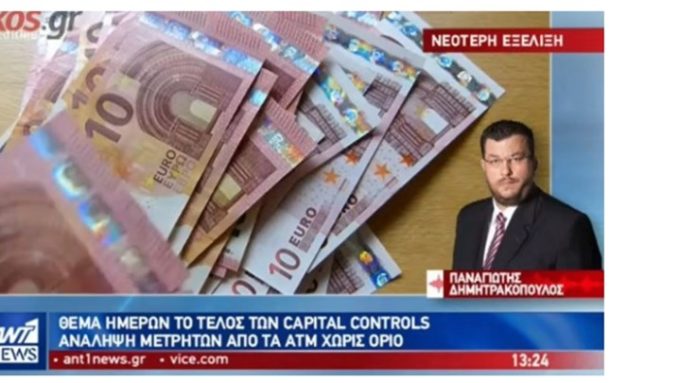
Νέα σημαντική χαλάρωση στους περιορισμούς στις εσωτερικές συναλλαγές, αλλά και στη διαχείριση τραπεζικών λογαριασμών αναμένεται να ανακοινώσει σύντομα το Υπουργείο Οικονομικών.
Σύμφωνα με ρεπορτάζ του ΑΝΤ1, οι αλλαγές που έρχονται θα αφορούν την πλήρη άρση του περιορισμού στις αναλήψεις μετρητών ανά λογαριασμό από τα τραπεζικά καταστήματα έναντι του ορίου των 5.000 ευρώ το μήνα που ισχύει σήμερα και τη δυνατότητα ανοίγματος νέου τραπεζικού λογαριασμού από φυσικά και νομικά πρόσωπα σε τράπεζα με έδρα την Ελλάδα.
Επίσης, έχει δρομολογηθεί και η πλήρης άρση των capital controls.
Πηγή: enoikonomia.gr
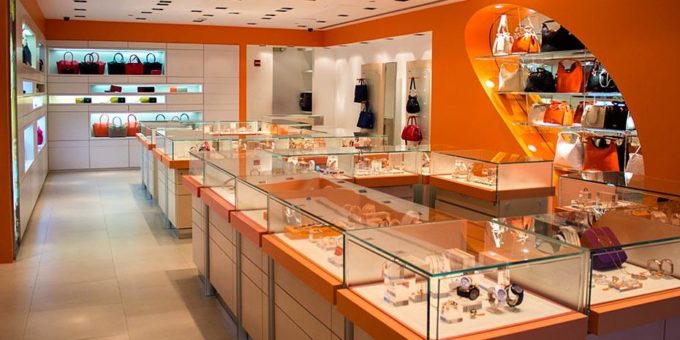
Σε ξεπούλημα των προϊόντων της προχωρά η Folli Follie σε μια προσπάθεια να μαζέψει ρευστό. Η χειμαζόμενη αλυσίδα, στελέχη της οποίας δήλωσαν πρόσφατα στο δικαστήριο πως οι πωλήσεις της πάνε καλά, “τρέχει” το διάστημα αυτό δεκαήμερο προσφορών σε συγκεκριμένες κατηγορίες προϊόντων σε όλα τα καταστήματα του δικτύου της.
Οι εκπτώσεις αγγίζουν το 80% της αρχικής τιμής ενώ δεν αποκλείεται το συγκεκριμένο δεκαήμερο να πάρει παράταση προκειμένου να ξεπουλήσει όσα περισσότερα εμπορεύματα μπορεί. Οι τελικές τιμές, μετά την προσφορά ξεκινούν από τα 20 ευρώ για τα γυαλιά ηλίου και τα 40 ευρώ για τσάντες, όταν οι αρχικές τιμές ξεπερνούν κατά πολύ τα 100 ευρώ το τεμάχιο.
Η κίνηση αυτή της χειμαζόμενης αλυσίδας σχετίζεται με την άμεση ανάγκη που έχει να αποκτήσει ρευστό. Η εταιρεία για να παραμείνει ζωντανή, ήτοι να αγοράζει εμπόρευμα από τους προμηθευτές της χρειάζεται 15 εκατ. ευρώ μηνιαίως, όπως έχουν αναφέρει στελέχη της. Και αυτό γιατί οι βασικοί προμηθευτές της έχουν απαιτήσει την προπληρωμή των εμπορευμάτων τους, (σ.σ. πριν δηλαδή την παράδοσή τους, όταν τοποθετούνταν η εκάστοτε παραγγελία). Κάτι που έχει συμπιέσει τα ταμειακά της διαθέσιμα, με “απρόβλεπτες συνέπειες για το άμεσο μέλλον όπως αναφέρεται στην αίτηση υπαγωγής της στο άρθρο 106α.
Στην αίτηση σημειώνεται επίσης πως η εταιρεία, σύμφωνα με το ισοζύγιο 31/5/2018, διαθέτει χρηματικά διαθέσιμα ποσού 86,383 εκατ. ευρώ, οι απαιτήσεις που διατηρεί έναντι τρίτων ανέρχονται σε δεκάδες εκατομμύρια ευρώ (σ.σ. δεν τις προσδιορίζει) ενώ τα προϊόντα που βρίσκονται στα καταστήματα λιανικής ή στις αποθήκες ανέρχονται στο ποσό των 78 εκατ. ευρώ.
Στοιχεία που μένει να επιβεβαιωθούν ή όχι από τους ελέγχους που “τρέχουν” η Ernst & Young LPP, η Alvarez and Marshal LLP και η Deloitte. Η Ernst & Young διενεργεί ειδικό έλεγχο στα στοιχεία των ενοποιημένων οικονομικών της καταστάσεων για το οικονομικό έτος 2017: ταμειακά διαθέσιμα και ταμειακά ισοδύναμα, εμπορικές απαιτήσεις, εμπορικές και άλλες υποχρεώσεις και άλλα τρέχοντα στοιχεία του ενεργητικού που προώθησε σε προμηθευτές για αποθεματικούς σκοπούς.
Η Alvarez and Marshal LLP, “τρέχει” από τις 25 Ιουνίου, τη δικανική – εγκληματολογική αξιολόγηση (forensic evaluation) των πιο πρόσφατων οικονομικών καταστάσεων των ασιατικών θυγατρικών της, ενώ 15μελής ομάδα της Deloitte, έχει αναλάβει να εκτιμήσει τα περιουσιακά στοιχεία της εταιρείας και των θυγατρικών.
Πηγή: capital.gr